Articles · Mind and health
Signs of burnout, and how to start recovering
Burnout is not laziness. It is what long, unmanaged stress at work does to your energy, focus and care.
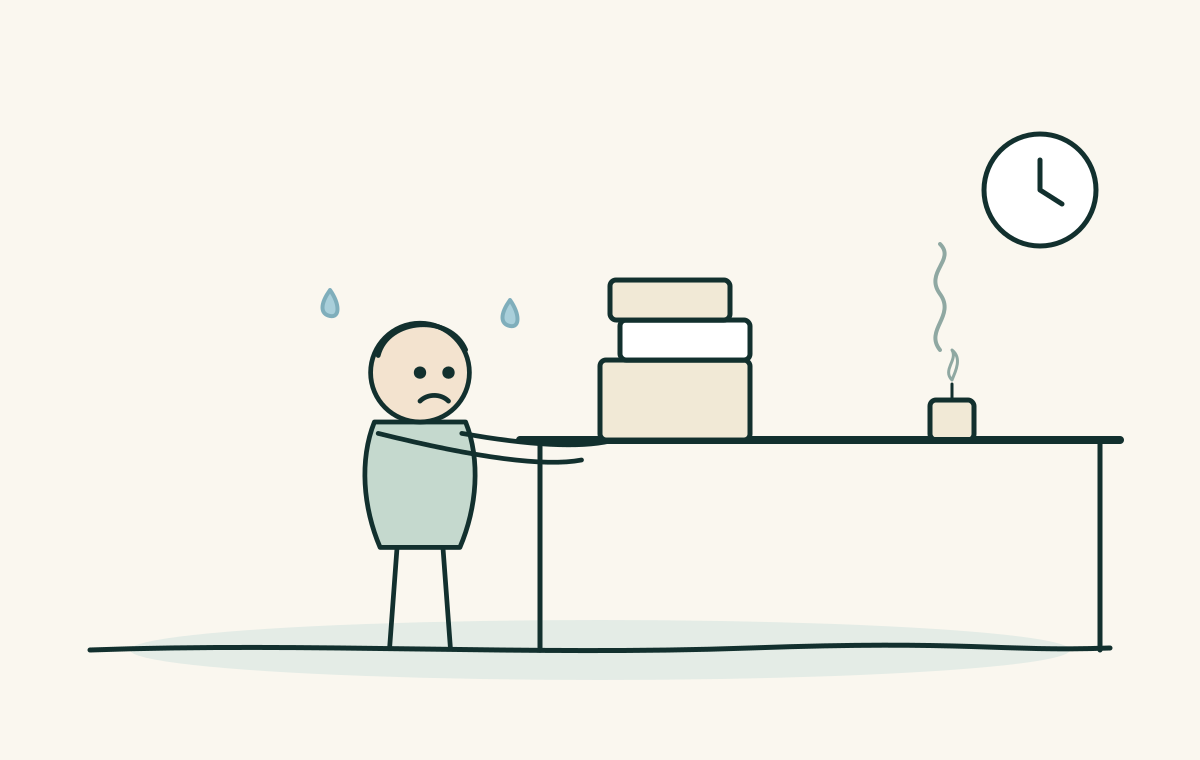
You used to care about your work. Now you drag yourself through the day, snap at people and feel empty by evening. A weekend does not fix it. If that sounds familiar, you may be dealing with burnout.
What burnout actually is
The World Health Organization describes burnout as the result of long-term workplace stress that has not been managed well. It lists burnout as an occupational phenomenon, not as a medical condition, and it uses the word only for work, not for other parts of life.
It names three signs:
- Exhaustion. Your energy feels used up, and rest does not refill it.
- Distance. You feel cut off from your job, or negative and cynical about it.
- Doing less well. You feel less effective, even when you try hard.
A quick self-check
Mayo Clinic suggests a few honest questions. Do you question the value of your work? Do you have trouble getting started each day? Have you lost patience with the people you work with? Is it hard to focus? Do you lack the energy to do your job well?
A yes to one or more is worth taking seriously. Mayo Clinic also notes common causes: a heavy workload and long hours, little control over how you work, unclear expectations, and work that leaves nothing for family and friends.
Five steps back
- Name the real load. Write down everything you are carrying at work. Burnout grows in the gap between what is expected and what is possible. You cannot fix a gap you have not measured.
- Talk about one thing you can change. Pick one item, like a deadline, a meeting or a task that could move to someone else, and bring it to your manager. Start with one, not the whole list.
- Protect the basics. Regular movement helps you cope with stress, and sleep restores you. When you are burned out, these are often the first things to go, and the first things to bring back.
- Put an edge on the day. Choose a time when work ends, and a small ritual that marks it, like a walk or a change of clothes. Your mind needs a clear signal that the shift is over.
- Find support. Talk to someone you trust. Check whether your workplace offers counseling or an employee assistance program.
When to talk to a professional
Burnout and depression can look alike, but Mayo Clinic notes they are different and need different help. If you feel low most of the day, lose interest in things outside work too, or struggle to do basic tasks, talk to a doctor or a mental health professional.
Keep going
- How to set boundaries without feeling like a bad person
- Story: The two woodcutters, on why rest is part of the work
- Take the one-minute stress check-in
Sources
- Burn-out an “occupational phenomenon”: International Classification of Diseases, World Health Organization
- Job burnout: How to spot it and take action, Mayo Clinic
This article is general self-help information, not medical advice. If you are struggling, talk to a doctor or a mental health professional.