Articles · Life
How to stop scrolling your phone in bed
“Just five minutes” turns into an hour. Here is why, and how to break the habit without willpower.
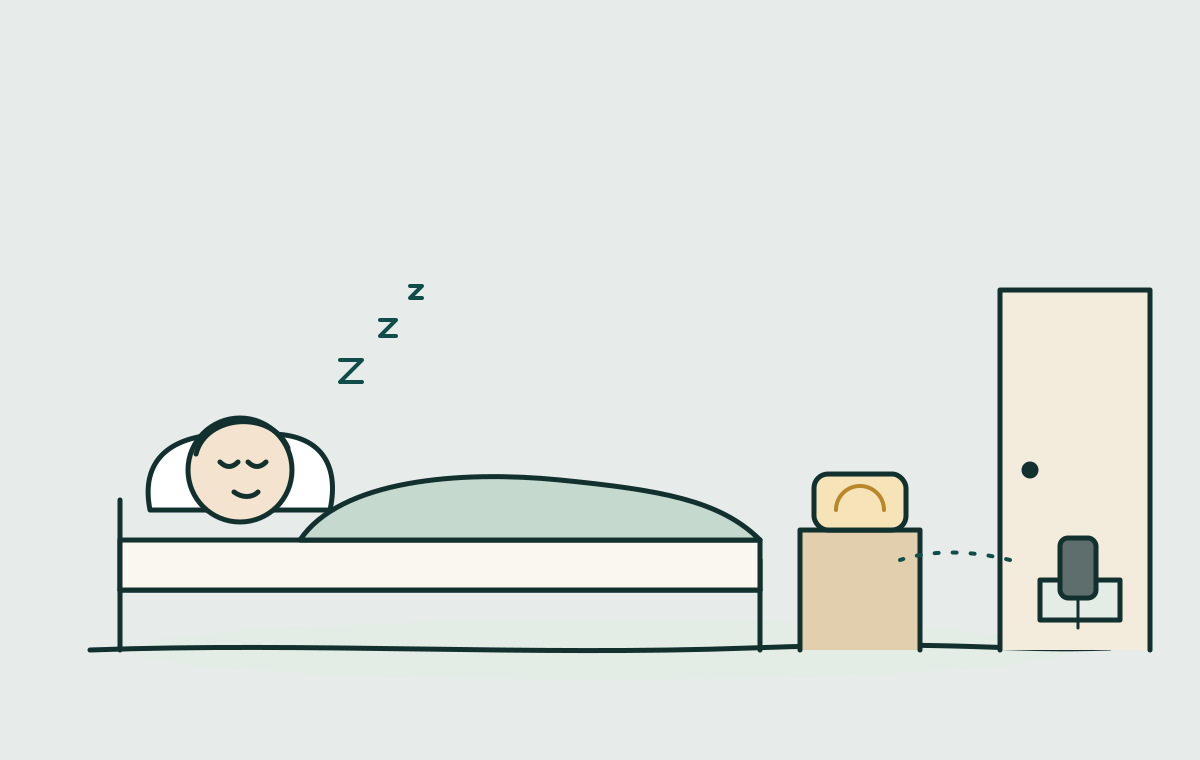
You get into bed tired. You pick up your phone to check one thing. Then it is midnight, you feel wide awake, and tomorrow already feels heavy. This is one of the most common sleep habits, and one of the most fixable.
What late-night screens do
The Sleep Foundation explains two problems. First, phones and tablets give off blue light, which can hold back melatonin, the hormone that helps you feel sleepy. Second, and often bigger, the content keeps your mind switched on. Social media, games and work emails all make it harder to wind down.
Using devices in bed also tends to push your real bedtime later, which cuts into how long you sleep.
Why the habit is so sticky
Bedtime scrolling is a habit loop. The cue is lying down. The action is reaching for the phone. The reward is a small hit of something new. Trying harder rarely works. Changing the cue works better.
Six swaps that make it easier
- Charge your phone outside the bedroom. The Sleep Foundation suggests a set spot for devices outside the room. If it is not within reach, the habit loses its cue.
- Use a basic alarm clock. If your phone is your alarm, that is the main reason it sleeps next to you. A simple alarm clock removes the excuse.
- Keep a book on the nightstand. Give your hands something easy to reach for instead.
- Set a phone curfew. Pick a time, like 30 to 60 minutes before bed, when the phone goes to its charging spot.
- Tell people. If you keep your phone close in case someone needs you, let them know when you are offline. True emergencies can still reach you by a call.
- Dim the room. Soft, warm light in the evening helps your body get ready for sleep.
You do not have to beat the habit with willpower. Just move the phone.
When to talk to a doctor
If you still struggle to fall or stay asleep most nights after a few weeks without screens in bed, talk to a doctor. Poor sleep can have causes that a habit change will not fix.
Keep going
- A simple bedtime routine for better sleep
- Story: The rat in the rice jar, on comforts that quietly trap us
- How to stop comparing yourself to others
Sources
- How electronics affect sleep, Sleep Foundation
- Technology in the bedroom, Sleep Foundation
This article is general self-help information, not medical advice. If you are struggling, talk to a doctor or a mental health professional.